PELATIHAN ETIKA DAN KOMUNIKASI DIGITAL UNTUK REMAJA DI PONDOK PESANTREN SYAMSUL HUDA BATAM
DOI:
https://doi.org/10.64795/jupadai.v5i1.209Keywords:
Digital Ethics, Digital Communication, Adolescents, Islamic Boarding Schools, Social MediaAbstract
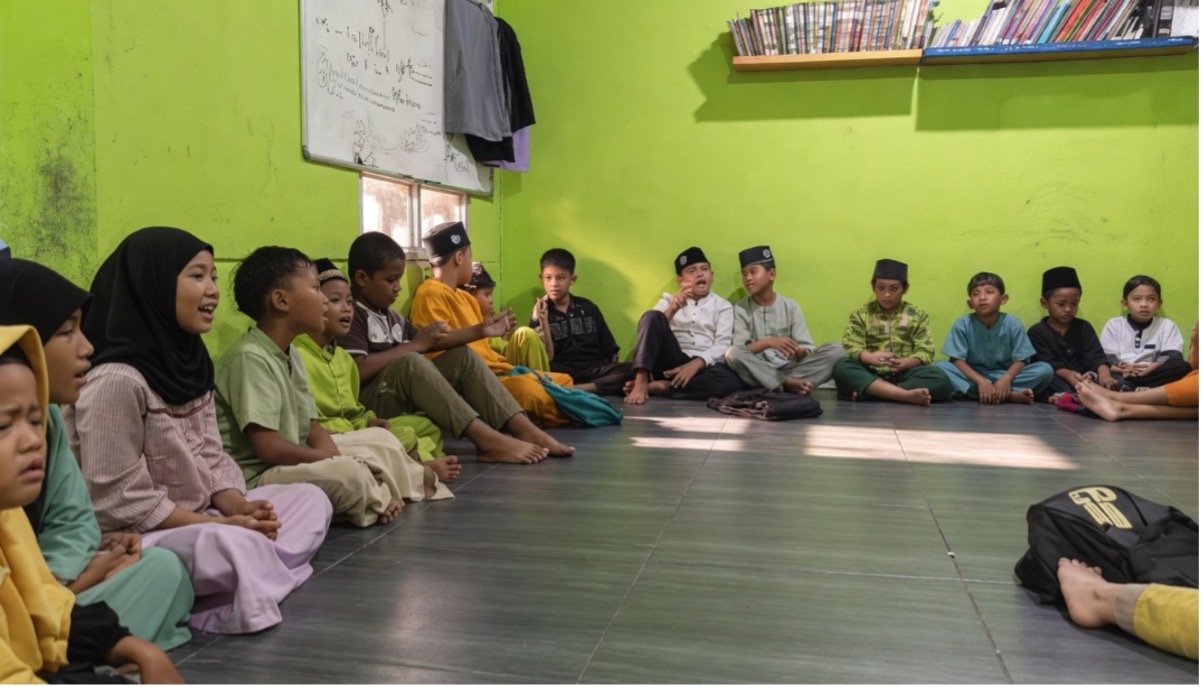
Social network applications that are increasingly prevalent among the younger generation raise crucial issues regarding digital ethics and responsible communicative behavior, therefore educational efforts are needed through various educational institutions. This service program is designed to strengthen the understanding and ability of adolescents to manage social media platforms ethically and responsibly through specific training programs carried out in the Syamsul Huda Batam Islamic Boarding School. This activity involved 25 school participants with a participatory method consisting of six phases, namely: counseling, interaction-based training, digital content workshop sessions, group forums, practice sessions, and assessments, equipped with pre-test and post-test measurements to evaluate the success of the program. The evaluation data showed an increase of 78% in the understanding of digital ethics and 65% in communication skills through social media platforms, while the level of participants' proficiency in the program reached 92% based on the results of the questionnaire held after the training. This training program also makes an important contribution to improving the quality of social media applications among adolescents and helps them develop a wiser attitude in digital interactions, in line with the initiative to form a digital generation that has ethical concerns and is able to communicate constructively.